
Introduction
When it comes to maintaining a comfortable indoor environment, your HVAC system plays a critical role. However, understanding the efficiency and performance of your system can be challenging. That’s where SEER ratings come into play. In this article, we’ll dive deep into what SEER ratings are, why they matter for your HVAC system, and how they influence your air conditioning choices. So grab a cup of coffee and let’s explore the ins and outs of SEER ratings!
What Are SEER Ratings and Why Do They Matter for Your HVAC System?
SEER stands for Seasonal Energy Efficiency Ratio. It measures the cooling output of an air conditioning unit divided by the energy it consumes during a typical cooling season. The higher the SEER rating, the more efficient your AC unit is at converting electricity into cooling power.
Understanding SEER Ratings: A Closer Look
To break it down further, let's consider some key points:
Energy Efficiency: A higher SEER rating indicates that an air conditioner is more energy-efficient. For example, an AC with a SEER rating of 16 will use less electricity than one with a rating of 10 while providing similar cooling output.
Cost Savings: When you choose an air conditioner with a higher SEER rating, you can save significantly on energy bills over time. This becomes especially important during those scorching Tampa summers when AC usage peaks.
Environmental Impact: More efficient systems usually mean lower carbon footprints. Choosing a high-SEER unit contributes to reduced greenhouse gas emissions.
Regulatory Standards: The U.S. Department of Energy sets minimum efficiency standards for air conditioners that vary by region. Understanding these guidelines helps consumers make informed decisions.
The Importance of Choosing the Right SEER Rating
How to Determine the Right SEER Rating for Your Home?
Choosing the right SEER rating isn’t one-size-fits-all; various factors come into play:
- Climate Zone: If you live in a hotter climate like Tampa, opting for a higher SEER rating could be beneficial as you'll rely on cooling more frequently. Usage Patterns: Consider how often you run your air conditioning. If you're using it year-round, investing in a high-SEER unit makes more sense. Budget: While high-efficiency models may have higher upfront costs, remember they could save money in the long run through reduced energy bills.
The Cost-Benefit Analysis of High vs Low SEER Ratings
| Feature | Low SEER (13) | High SEER (20) | |-----------------------------|---------------------------|-------------------------| | Initial Cost | Lower purchase price | Higher purchase price | | Operating Costs | Higher utility bills | Lower utility bills | | Environmental Impact | Less efficient | More environmentally friendly | | Comfort Level | Adequate | Superior cooling comfort |
Why You Should Care About Your HVAC's Efficiency
Long-Term Financial Savings
Calculating whether to invest in an efficient unit can save you thousands over its lifespan thanks to lower energy costs.
Improved Air Quality and Comfort
A well-functioning HVAC system doesn't just save money; it also maintains better indoor air quality and comfort levels.
Increased Resale Value of Your Home
Installing an energy-efficient AC can enhance your home's market value—buyers are often willing to pay more for homes with lower operating costs due to efficient systems.
Common Misconceptions About SEER Ratings
Don't Fall for These Myths!
Higher SEER Always Means Better: While it's true that higher ratings indicate greater efficiency, other factors such as installation quality also matter.
All Brands Offer Similar Performance: Different manufacturers have varying quality levels despite similar ratings; always research brand reliability.
SEER Ratings Reflect Year-Round Efficiency: Keep in mind that these ratings are based on specific testing conditions and might not represent real-world performance accurately.
How Does Installation Affect SEER Ratings?
Importance of Professional Installation Services
The difference between good and bad installation can drastically affect how well your HVAC system performs compared to its rated efficiency:
- Incorrect sizing leads to inefficiencies. Poor ductwork design results in significant airflow issues.
Choosing professional services like AC repair Tampa ensures that your system runs as intended from https://riverzsrj508.yousher.com/air-conditioner-repair-reducing-ac-energy-bills day one.
Maintaining Your HVAC System for Optimal Performance
Regular Maintenance Practices That Enhance Efficiency
To ensure your HVAC system operates efficiently throughout its lifespan:
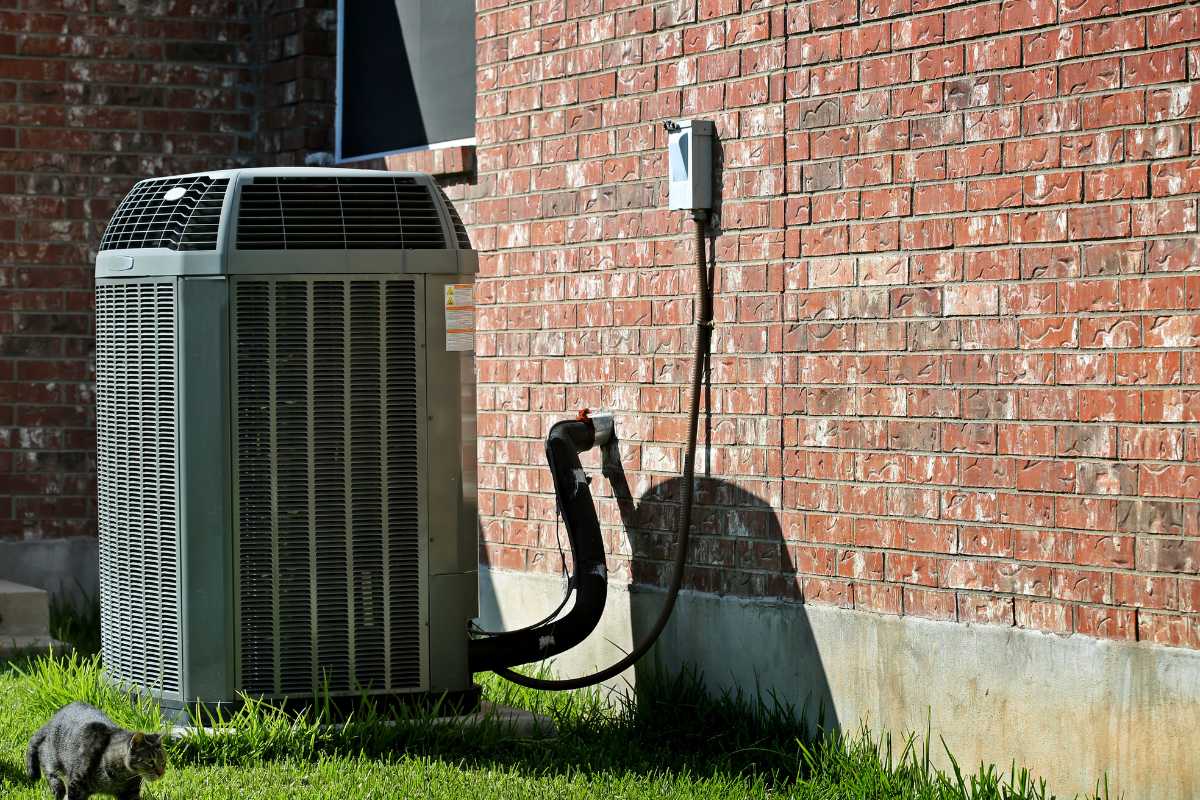
Schedule regular check-ups with an HVAC repair service. Change filters every 1-3 months based on usage. Keep outdoor units free from debris—this prevents airflow restrictions.Signs You Need Air Conditioning Repair
Identifying Issues Early Can Save Money!
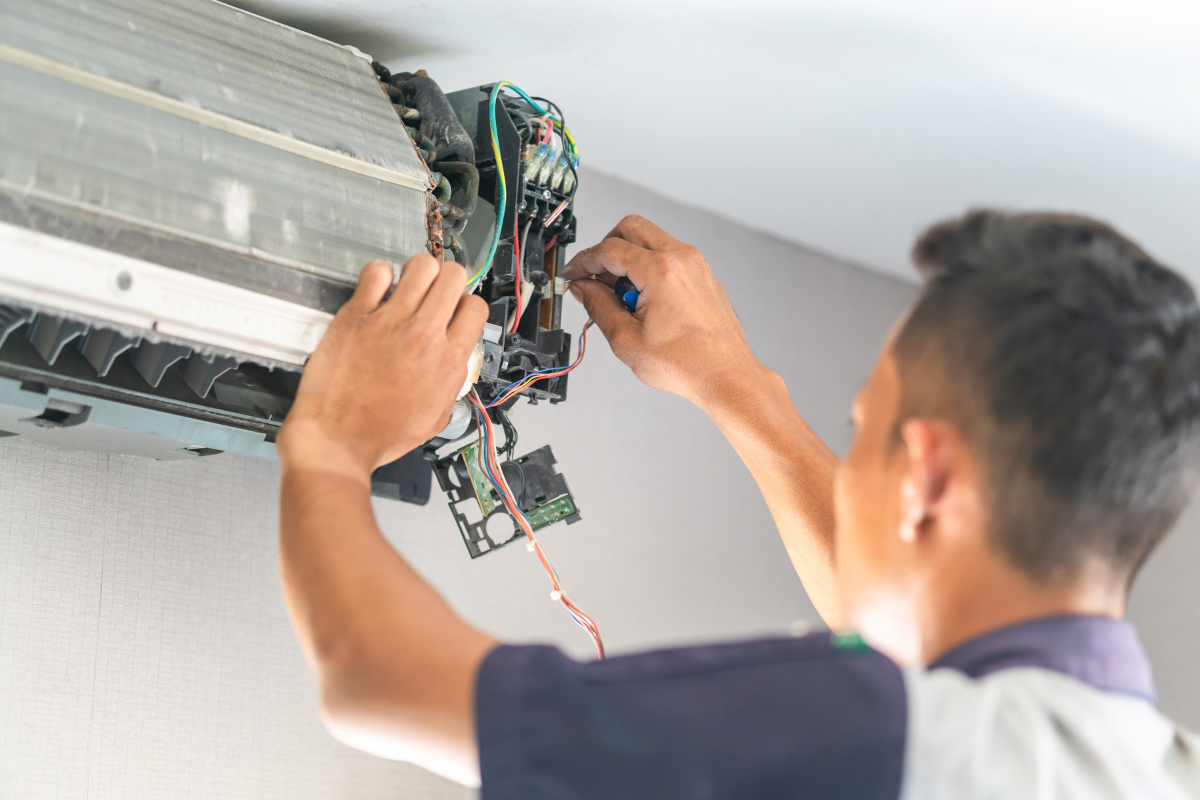
Some common signs that indicate you need air conditioning repair include:
- Unusual noises coming from the unit Insufficient cooling Frequent cycling on and off
Ignoring these symptoms may lead to costly repairs or even complete system failure down the line.
FAQs about SEER Ratings and HVAC Systems
1. What is considered a good SEER rating?
A good SEER rating typically starts at 14 or above for residential units—but aiming higher can yield better savings!
2. How do I know my current AC's SEER rating?
You can find this information on the label attached to your unit or consult documentation from when it was purchased.
3. Can I upgrade my existing system without replacing everything?
Yes! You may replace just certain components like compressors or coils but consult an expert first!
4. How does Florida's climate affect my choice in AC efficiency?
Given Florida's heat, investing in higher-efficiency units will provide better comfort without overwhelming energy bills during peak usage months.
5. Is there any incentive for upgrading to high-SEER systems?
Many local utility companies offer rebates or tax incentives for installing energy-efficient systems; check with them first!
6. What should I do if my unit isn't performing as expected?
Contact a reliable service provider specializing in Tampa AC repair immediately before minor issues escalate into bigger problems!
Conclusion
Understanding what SEER ratings are and why they matter for your HVAC system can empower you as a consumer to make informed decisions regarding heating and cooling solutions for your home or business in Tampa or elsewhere! Not only do these ratings impact energy costs, but they also influence comfort levels, environmental sustainability, and property value over time.
So if you're considering upgrading or repairing your current HVAC system, take some time to evaluate its efficiency through its SEER rating—it's worth it! Whether you're looking for AC repair services or new installations altogether, having this knowledge at hand will guide you toward making wise choices tailored specifically to fit both your budgetary constraints and lifestyle needs!
AC REPAIR BY AGH TAMPA
Address: 6408 Larmon St, Tampa, FL 33634
Phone: (656) 400-3402
Website: https://acrepairbyaghfl.com/
Frequently Asked Questions About Air Conditioning
What is the $5000 AC rule?
The $5000 rule is a guideline to help decide whether to repair or replace your air conditioner.Multiply the unit’s age by the estimated repair cost. If the total is more than $5,000, replacement is usually the smarter choice.
For example, a 10-year-old AC with a $600 repair estimate equals $6,000 (10 × $600), which suggests replacement.
What is the average cost of fixing an AC unit?
The average cost to repair an AC unit ranges from $150 to $650, depending on the issue.Minor repairs like replacing a capacitor are on the lower end, while major component repairs cost more.
What is the most expensive repair on an AC unit?
Replacing the compressor is typically the most expensive AC repair, often costing between $1,200 and $3,000,depending on the brand and unit size.
Why is my AC not cooling?
Your AC may not be cooling due to issues like dirty filters, low refrigerant, blocked condenser coils, or a failing compressor.In some cases, it may also be caused by thermostat problems or electrical issues.
What is the life expectancy of an air conditioner?
Most air conditioners last 12–15 years with proper maintenance.Units in areas with high usage or harsh weather may have shorter lifespans, while well-maintained systems can last longer.
How to know if an AC compressor is bad?
Signs of a bad AC compressor include warm air coming from vents, loud clanking or grinding noises,frequent circuit breaker trips, and the outdoor unit not starting.
Should I turn off AC if it's not cooling?
Yes. If your AC isn’t cooling, turn it off to prevent further damage.Running it could overheat components, worsen the problem, or increase repair costs.
How much is a compressor for an AC unit?
The cost of an AC compressor replacement typically ranges from $800 to $2,500,including parts and labor, depending on the unit type and size.
How to tell if AC is low on refrigerant?
Signs of low refrigerant include warm or weak airflow, ice buildup on the evaporator coil,hissing or bubbling noises, and higher-than-usual energy bills.